
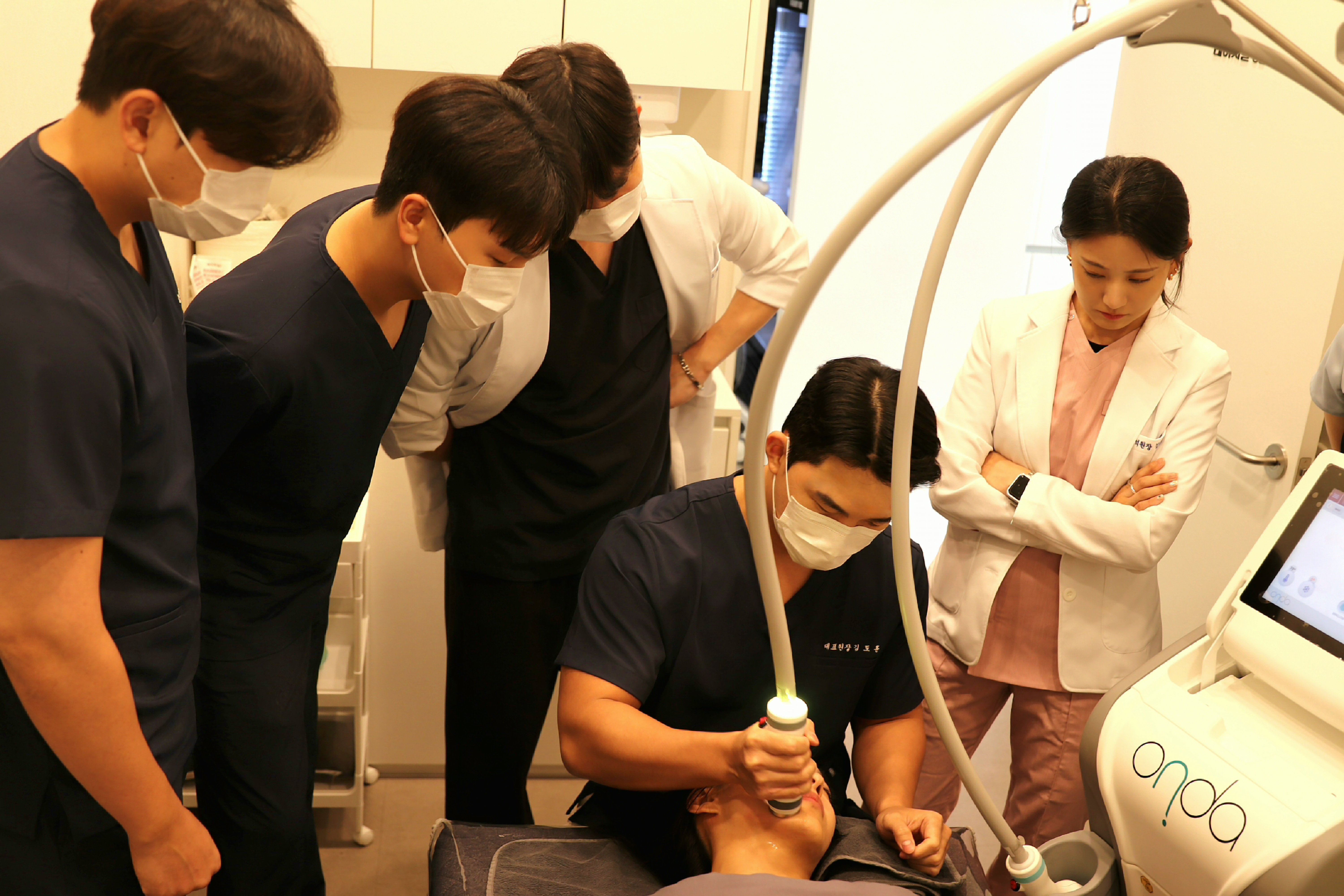
What Natural Thermage FLX Results Look Like
Thermage FLX is a monopolar radiofrequency treatment designed to address skin firmness and texture. The energy is delivered to the dermis, where heat prompts collagen contraction and remodeling. The changes are typically subtle rather than a dramatic shift in facial contours. A useful evaluation starts with the concern you wanted to address: firmer-looking skin and finer texture are different goals from visibly lifting sagging tissue. At Ode Clinic, treatment planning takes individual skin condition and patient priorities into account.
Distinguishing Tightening From Lifting
Tightening and lifting are related but distinct goals. Thermage focuses on the skin, with the aim of improving firmness, texture, and the appearance of fine lines. A lifting treatment such as Ultherapy Prime uses focused ultrasound to target deeper tissue and is intended to address sagging more directly. Neither description tells you which treatment is appropriate without an assessment. During consultation, explain whether your main concern is the quality of your skin, a change in facial contours, or both.
This distinction also shapes how you review the outcome. If you expected a pronounced change in the position of your cheeks or jawline, a subtle improvement in skin firmness may be difficult to recognize as relevant to your original goal. Conversely, someone primarily concerned about texture may value a change that is less noticeable in a full-face photograph. Define the treatment target before the procedure and ask the doctor how that target can be assessed afterward. At Ode Clinic, the treating physician conducts a direct consultation and considers the patient’s needs, the timing of results, cost, and potential side effects. A discussion of alternatives can help clarify whether Thermage addresses the concern you actually want treated.
Thermage is primarily a tightening treatment, so its results should be judged against skin firmness and texture rather than an expected dramatic lift. Agreeing on the goal before treatment makes the follow-up conversation more meaningful.
Understanding Gradual Change
Collagen remodeling takes time. With Thermage FLX, changes develop gradually over approximately six months, so the appearance immediately after treatment is not the only useful point of reference. Some people may find subtle changes difficult to recognize in a mirror because they see their face every day. A baseline photograph and a planned follow-up provide a more consistent way to assess the areas discussed during consultation. Individual results and the timing of visible change can differ.
Rather than checking repeatedly for a sudden transformation, decide with the doctor which features deserve attention over the course of follow-up. For example, if fine lines and texture were the main concerns, compare those features in the same areas. If firmness was the priority, review the appearance of the skin without assuming that every difference in a photograph reflects treatment. Lighting, facial expression, and camera angle can all affect how a face looks. Ode Clinic uses diagnostic photographs and follow-up consultations to support before-and-after comparisons. These tools help structure the discussion, but the most useful comparison still depends on a clear understanding of what the treatment was intended to address.
Setting a Personal Definition of Natural
The word natural can mean different things to different patients. For one person, it may mean a subtle improvement in skin texture; for another, it may mean a firmer appearance without an obvious change in facial shape. Neither description guarantees a particular outcome. Explain what you hope will change and what you would prefer to preserve. This gives the doctor a more useful starting point than simply asking for a natural result.
It is equally important to describe concerns that may not be addressed by tightening alone. Loss of facial volume and sagging, for example, are separate considerations from skin texture. Ode Clinic offers both energy-based treatments and injectable procedures, allowing the consultation to include a discussion of different approaches when appropriate. A recommendation should follow an assessment of your skin and priorities, not an assumption that every concern requires the same device.
Bring specific questions to the consultation. Ask which concern Thermage is intended to address, how the proposed treatment area relates to that concern, and what degree of change is reasonable to look for. If your priority is a noticeable contour change, ask whether a lifting treatment deserves consideration instead. These questions can help align expectations before you decide whether to proceed.

How to Compare Natural Thermage FLX Results
A useful comparison begins before treatment. At Ode Clinic, diagnostic photography can provide a visual record of the areas selected during consultation. Afterward, the doctor can review those images alongside follow-up photographs and your own observations. The aim is not to find a difference in every image, but to assess whether the features you identified beforehand have changed. Consistent photographs are especially useful when the expected change is gradual and subtle.
Create a Reliable Baseline
A baseline photograph should show the areas you want to evaluate before treatment. Discuss those areas with the doctor so that the images and the treatment plan address the same concerns. A full-face view can provide context, while closer views can help with a discussion of texture or fine lines. Ode Clinic uses diagnostic imaging for before-and-after comparisons as part of its approach to treatment review.
When comparing photographs, look for consistency in lighting, camera angle, distance, and facial expression. An image taken from a different angle may make the jawline or cheeks appear different even when the underlying appearance has not changed in the way you expect. Makeup and shadows can also affect the visibility of skin texture. Ask the medical staff to help you interpret the images rather than relying on a single comparison made under unfamiliar conditions. It can also help to record your original concern in plain language, such as “the texture around my cheeks” or “skin firmness along my jawline.” That note keeps the review focused on your own goals instead of an unrelated feature that happens to look different in a photograph.
Consistent images give a gradual change context that a daily mirror check may miss. The most useful comparison looks at the same concern, in the same area, under similar conditions.
Review the Features That Matter
Start by looking at the specific treatment area, then consider how it appears within the rest of your face. For texture and fine lines, a closer view may be more informative than a distant portrait. For overall firmness, review the images with the doctor and discuss what is visible without treating a change in lighting or expression as proof of a result. Photographs support the assessment; they do not replace the consultation.
Your own observations are also worth bringing to the follow-up. You might notice that the skin looks different in everyday lighting, or you may be unsure whether a change is visible at all. Describe what you have observed and ask the doctor to compare it with the baseline images. A useful review can include what appears to have changed, what has remained similar, and whether the original treatment goal was realistic. If the concern was facial sagging or volume loss rather than skin quality, the discussion may also reveal that a different approach would be more relevant. The purpose is an honest assessment, not a predetermined conclusion that every patient should see the same degree of change.
Use a Simple Comparison Checklist
A checklist can make the follow-up conversation easier, particularly when several concerns were discussed before treatment. Use it to organize your questions rather than to score your appearance. The doctor can help identify which observations relate to the treatment goal and which may be influenced by the way the photographs were taken.
| Review item | What to compare |
|---|---|
| Original goal | The concern identified during consultation |
| Skin texture | The same area in baseline and follow-up images |
| Fine lines | Images with similar lighting and facial expression |
| Firmness | The treated area in the context of the full face |
| Photograph conditions | Camera angle, distance, lighting, and expression |
It is reasonable to revisit your priorities during this review. You may find that skin texture mattered more to you than expected, or that your main concern is actually a change in facial contours. Let the doctor know if your expectations have changed. A follow-up is an opportunity to discuss the outcome as well as whether any further assessment or treatment is appropriate.
Keep the comparison proportionate to the treatment’s intended effect. Thermage FLX is described as producing subtle changes in the skin rather than dramatic contour shifts. If the photographs do not show a clear change, say so and ask for an explanation. Likewise, if you are pleased with a subtle difference, describe which feature matters to you. Both perspectives help the doctor understand your experience.
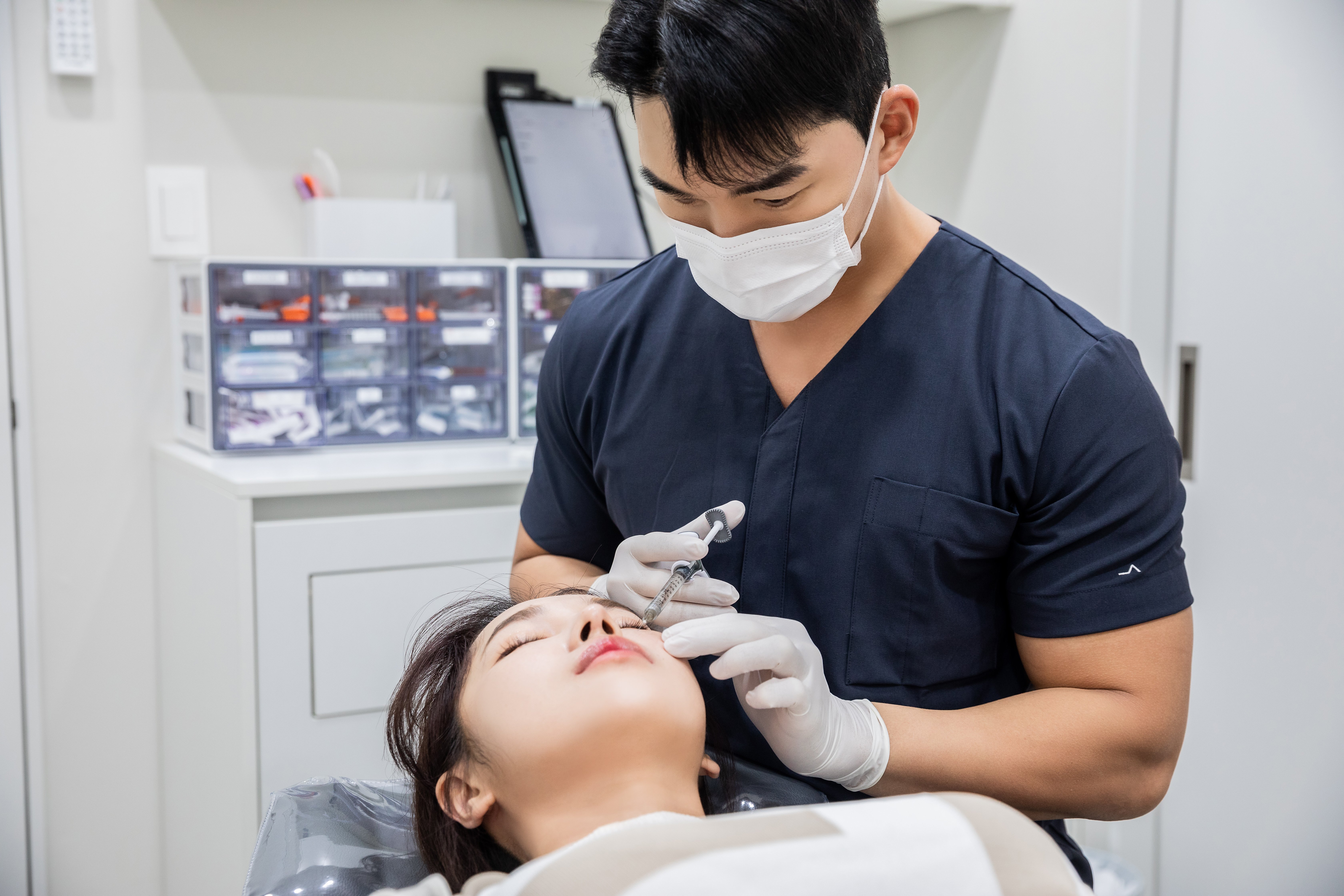
Planning for Natural Thermage FLX Results at Ode Clinic
Good planning connects the treatment choice, the areas addressed, and the way results will be reviewed. Ode Clinic offers direct consultations with the treating physician and tailors care to each patient’s skin condition. The clinic also uses genuine products and precise quantities. Before deciding on Thermage FLX, discuss your goals, the proposed treatment plan, discomfort management, and follow-up. These details provide a framework for evaluating the procedure without assuming a particular outcome.
Make the Consultation Specific
Describe what prompted you to seek treatment and identify the areas that concern you most. If you have received previous aesthetic treatments, explain what you had and what you noticed afterward. This context can help the doctor discuss whether your current priority is skin tightening, lifting, volume, or a combination of concerns. The consultation is also the time to ask how the doctor will assess your skin and select the treatment areas.
Ode Clinic’s medical staff has experience with lifting procedures, including Thermage and Ultherapy, as well as injectable treatments such as fillers. That range of approaches supports a discussion of options rather than a uniform plan for every patient. Ask why a particular treatment is being suggested, what it is intended to address, and whether another approach would better match your goal. If you are considering more than one procedure, ask how each would contribute and how the outcome of each could be assessed. You do not need to decide on a device before the consultation. The more clearly you describe your priorities, the easier it is to evaluate the proposed plan.
A personalized plan begins with the concern, not the device. A direct discussion with the treating physician helps connect the treatment choice to a realistic way of reviewing the outcome.
Points to Consider Before Treatment
Ask the doctor about potential side effects, expected recovery, and any instructions relevant to your circumstances. Treatment comfort is another practical consideration: Ode Clinic offers nitrous oxide sedation as an option for Thermage. Discuss whether that option is appropriate for you and what it involves. The doctor can also explain the proposed treatment areas and the number of radiofrequency applications in the plan.
It is sensible to discuss both the benefits sought and the limits of the procedure before making a decision. Thermage is intended to improve skin firmness and texture, but it should not be presented as a substitute for every treatment that addresses sagging or volume loss. Changes may take time depending on individual condition, and results differ between patients. Ask how follow-up will work, when comparison photographs may be useful, and whom to contact if you have a concern after treatment. If you are comparing treatment plans, consider the consultation and follow-up process alongside the quoted cost. A plan is more useful when you understand what is included and how it relates to your goals.
Plan the Follow-Up Conversation
Before leaving the consultation, ask how the clinic recommends documenting your starting point and reviewing changes. Ode Clinic uses diagnostic photographs and follow-up consultations for objective comparison. You can also keep a brief note of the concerns you discussed and any questions that arise afterward. This makes it easier to compare your experience with the original plan when you meet the doctor again.
During follow-up, ask to review the images alongside the treatment goals. If the outcome is difficult to judge, discuss whether the photographs are comparable and whether enough time has passed to assess gradual change. If your priorities have shifted, explain that as well. A clear review should leave room for uncertainty rather than forcing a judgment from a single image.
Ultimately, an effective evaluation combines your priorities, consistent photographs, and a discussion with the treating physician. A subtle change may be meaningful when it addresses the concern you identified; a noticeable difference in a photograph may be less useful if it comes from different lighting or an unrelated feature. Use the consultation and follow-up to make that distinction.



Frequently Asked Questions
Q.What does Ode Clinic offer for skin tightening?
A.Ode Clinic offers Thermage FLX, a radiofrequency treatment intended to address skin firmness, texture, and fine lines. Treatment planning considers each patient’s skin condition and goals.
Q.Who might consider Thermage FLX?
A.It may be worth discussing if your primary concern is skin firmness, texture, or fine lines. If your main concern is facial sagging or volume loss, the doctor can discuss whether another approach is more appropriate.
Q.How does Ode Clinic assess changes after treatment?
A.Ode Clinic uses diagnostic photographs and follow-up consultations to compare the treated areas with the baseline. The review can focus on the concerns identified before treatment.
Q.How long does it take to see changes?
A.Changes develop gradually over approximately six months as collagen remodeling occurs. The timing and degree of visible change differ between individuals.
Q.Where is Ode Clinic, and how can I contact the clinic?
A.Ode Clinic is at 8F, Gyeongwon Building, 340 Gangnam-daero, Gangnam-gu, Seoul. Call +82 2-569-0222 to discuss a consultation.
Clinic Information
| Clinic | Ode Clinic |
|---|---|
| Specialty | Dermatology |
| Address | Seoul, Gangnam District, Gangnam-daero, 340 8F |
| Phone | +82 2-569-0222 |
| Website | https://odeclinicseoul.com/en |
 Ode Clinic