
Choosing a boutique aesthetic clinic Seoul visitors can compare
Choosing an aesthetic clinic involves more than finding a particular device or booking the most familiar treatment. A useful comparison starts with who conducts the consultation, how treatment options are selected, and what happens after the procedure. At Ode Clinic, recommendations are tailored to the individual rather than based on a uniform treatment plan. The treating doctor discusses the patient’s concerns directly, taking into account the desired outcome, timing, cost, and potential side effects. Consultation and treatment take place in private rooms.
Start with your concern, not a procedure name
A person concerned about a change in facial contour may need a different discussion from someone focused on skin texture or a loss of facial volume. Identifying the main concern first makes it easier to compare treatments with different purposes. Lifting, tightening, skin boosters, and volume treatments are not interchangeable categories. Before a visit, consider which area you would like to discuss and what kind of change you are seeking. Bringing that information to the consultation gives the doctor a clearer starting point for the assessment.
For example, a patient may describe the face as looking less firm, but the underlying concern could be sagging, reduced skin elasticity, volume loss, or a combination. Each calls for a different approach. Lifting treatments are generally discussed in relation to sagging and facial contours, while tightening treatments focus on skin firmness. Volume treatments address areas that appear hollow, and skin boosters are selected for concerns such as texture or hydration. These distinctions are useful when comparing services, but they do not replace an individual assessment. At Ode Clinic, the doctor considers the patient’s needs alongside the expected timing of changes, potential side effects, and cost. A patient can also ask why an option has been recommended and whether another treatment would address the same concern differently.
A meaningful clinic comparison begins with the consultation, not the device list. The treatment should be chosen for the concern being assessed, with enough time to discuss expectations and practical considerations.
Look at the consultation and treatment process
Ode Clinic’s approach includes a direct consultation with the doctor who performs the procedure. This gives patients an opportunity to explain their concerns and discuss the proposed treatment with the person responsible for carrying it out. The clinic’s care process includes consultation and treatment design, reassessment, a private-room procedure, and customized care. Privacy and continuity are practical points to consider, particularly for patients who want to discuss more than one concern or have questions about treatment aftercare.
During the appointment, it is reasonable to ask how the doctor selected the treatment area and what the procedure is intended to address. Patients can also discuss previous aesthetic treatments, relevant medical history, and any concerns about discomfort. These details help make the conversation more useful, even when a patient arrives with a particular procedure in mind. Ode Clinic emphasizes listening to patient feedback and maintaining a consistent approach before and after treatment. The clinic also uses diagnostic photographs for before-and-after comparison and follow-up consultations. Photographs can help document changes that may be difficult to judge from memory alone. They should be considered alongside the patient’s own experience and the doctor’s assessment, rather than treated as a promise of a particular outcome.
Compare the full treatment plan
When comparing options, ask what is included in the proposed plan: the procedure, the areas being treated, any recommended follow-up, and whether repeat sessions are part of the approach. Some treatments are planned as a course, while others may be discussed as a single session with later review. The right schedule depends on the treatment and the individual. It is also helpful to ask how long changes may take to become noticeable and how the clinic will assess progress.
Cost matters, but it should be considered alongside the purpose and scope of treatment. A quote for one procedure is not necessarily comparable with a quote for a different procedure, treatment area, or number of sessions. Ask for a clear explanation of the proposed plan before deciding. Changes may take time depending on the treatment and individual condition, and results can differ between patients. A measured discussion of likely changes is more useful than choosing on the basis of a treatment name alone.
| Comparison point | What to discuss |
|---|---|
| Consultation | Who assesses your concerns and performs the procedure |
| Treatment goal | Whether the focus is lifting, firmness, volume, texture, or body contouring |
| Plan | Treatment areas, recommended sessions, and follow-up |
| Practical considerations | Cost, timing, discomfort, and potential side effects |
The table can serve as a short checklist for a consultation. It is especially useful when comparing treatments that use different technologies or address different layers of tissue. For example, a skin booster and an energy-based tightening treatment may both be discussed in relation to skin quality, but their methods and goals differ. Ask the doctor to explain the choice in terms of your own priorities, rather than assuming that one category can meet every concern.
Boutique aesthetic clinic Seoul treatment comparison: lifting and tightening
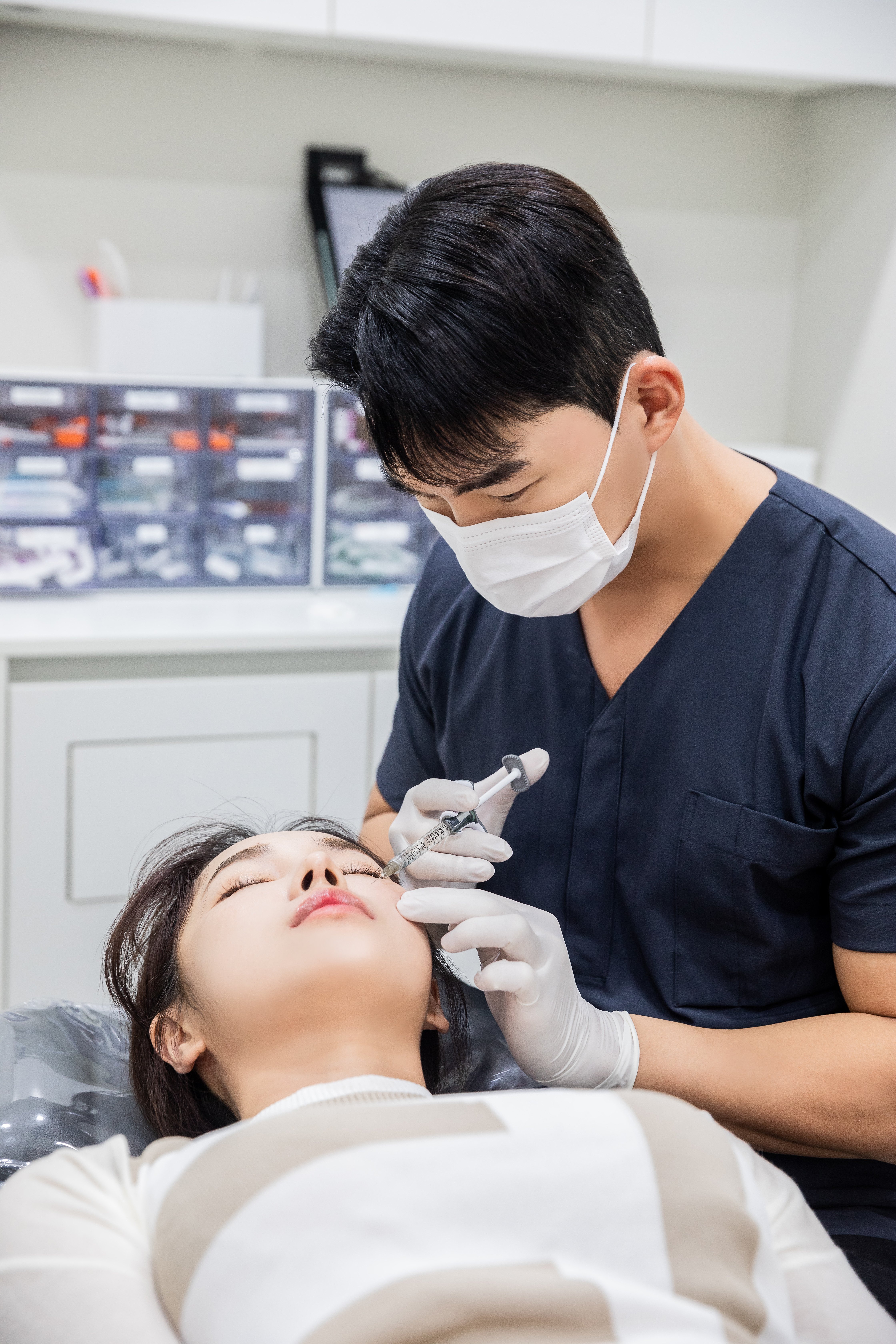
Ode Clinic offers both ultrasound and radiofrequency treatments, including Ultherapy Prime, Thermage FLX, XERF, and Density Alpha. These options differ in how energy is delivered and in the concerns they are intended to address. Ultrasound lifting and radiofrequency tightening should be compared by treatment goal, not treated as equivalent names for the same procedure. A consultation can help clarify whether the main concern is sagging, reduced firmness, or both. The doctor can then discuss the proposed treatment area and the expected course of change.
Ultherapy Prime and Thermage FLX
Ultherapy Prime uses focused ultrasound and is discussed at Ode Clinic as a lifting treatment for concerns such as sagging cheeks, the area under the chin, and changes around the eyebrows or eyelids. Thermage FLX uses radiofrequency energy and is primarily positioned as a tightening treatment for skin firmness and texture. Both are energy-based procedures, but their purposes differ. For someone comparing the two, the distinction between a lifting goal and a skin-firmness goal is a useful place to start.
With Ultherapy, the treatment plan is designed around the areas being assessed and the patient’s facial characteristics. With Thermage, radiofrequency energy is delivered to the dermis, where it is used to support collagen remodeling. Changes after Thermage are generally gradual, so patients should discuss timing rather than expect an immediate, dramatic contour shift. Ode Clinic offers nitrous oxide sedation as an option for Ultherapy and Thermage; the doctor can explain whether it is appropriate for the planned procedure. Discomfort and potential side effects should be part of the consultation for either treatment. The comparison is not about declaring one device better than the other. It is about understanding which concern each is intended to address and whether a combined or differently sequenced plan is appropriate for the individual.
Lifting and tightening address different concerns, even when both are part of an aesthetic treatment plan. A direct assessment helps establish whether facial contour, skin firmness, or both should guide the choice.
XERF and Density Alpha
XERF and Density Alpha are radiofrequency options offered at Ode Clinic. Ode Clinic uses a DEEP MODE XERF protocol and discusses the treatment for concerns including facial sagging, elasticity, and the jawline. Density Alpha delivers monopolar and bipolar radiofrequency in sequence and is used for skin tightening. Although both use radiofrequency energy, their protocols differ. The doctor can explain how the proposed treatment relates to the patient’s skin condition, areas of concern, and expectations.
For a patient comparing radiofrequency treatments, the device name is only one part of the decision. Treatment design includes the areas selected and the way energy is applied. Skin thickness, facial volume, and the degree of sagging are relevant to the consultation, as are tolerance for discomfort and the patient’s schedule. Density Alpha is primarily a tightening treatment, so a patient whose main concern is a sagging contour may also want to discuss lifting options. Ode Clinic uses diagnostic photographs and follow-up consultations to help review changes over time. As with other aesthetic procedures, individual responses differ. Ask what the treatment is intended to improve, when changes may become apparent, and what sensations or temporary reactions should be discussed with the medical staff.
Points to consider before treatment
Energy-based treatments can involve discomfort, and temporary redness, swelling, or warmth can occur. The doctor can explain procedure-specific risks and discuss how treatment settings and cooling are used. Before booking, share relevant medical history and previous treatments so the medical staff can assess suitability. If you have a particular date in mind, discuss the treatment schedule and expected recovery considerations in advance. Allowing time for assessment and follow-up is more useful than choosing solely around an appointment date.
It is also worth discussing what a realistic change would look like for the area being treated. Skin tightening may produce a subtler change than a patient seeking a pronounced contour shift expects. Conversely, a lifting treatment does not necessarily address every concern about surface texture or facial volume. Ode Clinic’s consultation considers these differences when designing a plan. The following comparison summarizes the main treatment purpose and technology; it does not determine which option is suitable for any individual.
| Treatment | Technology | Main discussion point |
|---|---|---|
| Ultherapy Prime | Focused ultrasound | Lifting and sagging concerns |
| Thermage FLX | Radiofrequency | Skin firmness and texture |
| DEEP MODE XERF | Dual-frequency radiofrequency | Facial sagging and elasticity |
| Density Alpha | Sequential monopolar and bipolar radiofrequency | Skin tightening |
These descriptions are a starting point for a discussion, not a substitute for examination. If several concerns overlap, the doctor can explain whether to prioritize one concern first or consider treatments in sequence. Ask how the plan will be reviewed and what follow-up is appropriate. A useful comparison should leave you understanding both the intended purpose of the treatment and the limits of what it is expected to address.

Boutique aesthetic clinic Seoul options for volume, skin and body
Not every aesthetic concern calls for an energy-based facial treatment. Ode Clinic also offers volume treatments, skin boosters, and body programs. These categories use different approaches: volume treatments address areas of facial hollowing, skin boosters focus on skin quality, and body treatments are designed for selected areas of the body. The choice depends on the area, the concern, and the treatment plan agreed with the doctor. Understanding these distinctions helps patients prepare questions before deciding which service to discuss.
Volume treatments and skin boosters
Juvelook Volume and Juvelook Skin have different treatment purposes. Juvelook Volume is used for facial volume concerns, such as hollow cheeks, while Juvelook Skin is a skin booster used for concerns including texture and pores. Re2O is another skin booster offered at Ode Clinic; it uses human-derived dermal components and can be discussed for elasticity, texture, fine lines, and pores. The doctor can explain the proposed application and which concern the treatment is intended to address.
The distinction between volume and skin quality matters because the treatments are not selected simply by the area of the face. A patient may be concerned about both a hollow appearance and uneven texture in the cheek area, but those concerns require different discussions. Re2O may be delivered using a cannula for deeper treatment or manual injections for more superficial concerns, depending on the plan. Juvelook Skin may be delivered by direct injection or with Mirajet, a needle-free jet-pressure device. Ode Clinic also offers filler and other collagen-stimulating volume treatments. Before choosing an injectable procedure, ask about the product, injection approach, potential reactions, and follow-up. The doctor can explain how the recommended option differs from alternatives and whether a course of treatment is proposed.
Volume treatments and skin boosters can be discussed for the same facial area, but they have different objectives. A clear treatment plan identifies which concern is being addressed and how progress will be reviewed.
Body treatment options
Ode Clinic’s body program includes Body ONDA and Emsculpt Neo. Body ONDA uses microwave energy and is offered for areas such as the upper arms, abdomen, and thighs. Emsculpt Neo combines radiofrequency with high-intensity focused electromagnetic technology and is offered for areas including the abdomen, buttocks, arms, and thighs. These treatments use different methods, so the consultation should focus on the patient’s area of concern and the purpose of the proposed program.
When comparing body treatments, ask what the procedure is designed to address and how many sessions are recommended for your plan. Body ONDA is distinct from Onda Lifting, which is discussed as a facial treatment. Keeping the names separate helps avoid confusion when arranging a consultation or reviewing a treatment proposal. Emsculpt Neo combines energy-based treatment with muscle stimulation, while Body ONDA uses microwave energy. Neither description establishes an outcome for an individual patient. The doctor can discuss suitability, treatment areas, the anticipated schedule, and considerations before and after a session. If you are also considering facial treatment, explain your priorities so the medical staff can help organize the discussion around the concerns that matter to you.
Preparing for an informed consultation
A practical starting point is to make a short note of your main concern, any previous aesthetic procedures, and questions about recovery or timing. If you have a specific treatment in mind, ask what it is intended to address and why it may or may not suit your concern. Ode Clinic’s doctor-led consultation is designed to consider individual needs rather than apply the same plan to everyone. You can also ask how photographs and follow-up consultations are used to review changes.
Discuss the cost of the proposed plan before proceeding, including whether more than one session is recommended. For injectable and energy-based procedures alike, ask about potential side effects and when to contact the medical staff after treatment. A clear explanation is part of an informed decision: you should understand the treatment area, the purpose of the procedure, and what the plan involves. If your concern spans more than one category, ask the doctor to explain which issue is being prioritized.
| Treatment category | Examples at Ode Clinic | Concern to discuss |
|---|---|---|
| Volume | Juvelook Volume, filler | Facial hollows and volume loss |
| Skin boosters | Re2O, Juvelook Skin | Skin texture, elasticity, fine lines, and pores |
| Body program | Body ONDA, Emsculpt Neo | Selected body areas and contouring goals |
A treatment comparison is most useful when it leads to a focused conversation rather than a predetermined choice. Bring your questions, describe the change you are seeking, and ask the doctor to explain the proposed approach in plain language. Ode Clinic’s personalized process provides an opportunity to discuss treatment selection, practical considerations, and follow-up before proceeding. The aim is to make a decision based on the individual concern and a realistic understanding of the plan.



Frequently Asked Questions
Q.What does Ode Clinic offer?
A.Ode Clinic offers dermatology and aesthetic treatments for lifting, tightening, facial volume, skin quality, and body contouring. The treating doctor provides a direct consultation, and procedures take place in private rooms.
Q.Who might consider visiting Ode Clinic?
A.Ode Clinic offers consultations for people concerned about facial sagging, skin firmness, volume loss, texture, or selected body areas. The doctor assesses individual concerns before discussing a treatment plan.
Q.What treatments can I discuss for facial sagging or skin quality?
A.Options include Ultherapy Prime for lifting and Thermage FLX, XERF, or Density Alpha for concerns discussed in relation to firmness or sagging. Re2O and Juvelook Skin are skin boosters offered for skin-quality concerns.
Q.What should I prepare before a consultation?
A.Consider the areas you want to discuss and bring information about previous aesthetic treatments and relevant medical history. You can also ask about the proposed treatment schedule, cost, potential side effects, and follow-up.
Q.Where is Ode Clinic, and how can I contact the clinic?
A.Ode Clinic is at 8F, 340 Gangnam-daero, Gangnam District, Seoul. For consultation inquiries, call +82 2-569-0222.
Clinic Information
| Clinic | Ode Clinic |
|---|---|
| Specialty | Dermatology |
| Address | Seoul, Gangnam District, Gangnam-daero, 340 8F |
| Phone | +82 2-569-0222 |
| Website | https://odeclinicseoul.com/en |
 Ode Clinic