Customized Treatment Planning at Ode Clinic
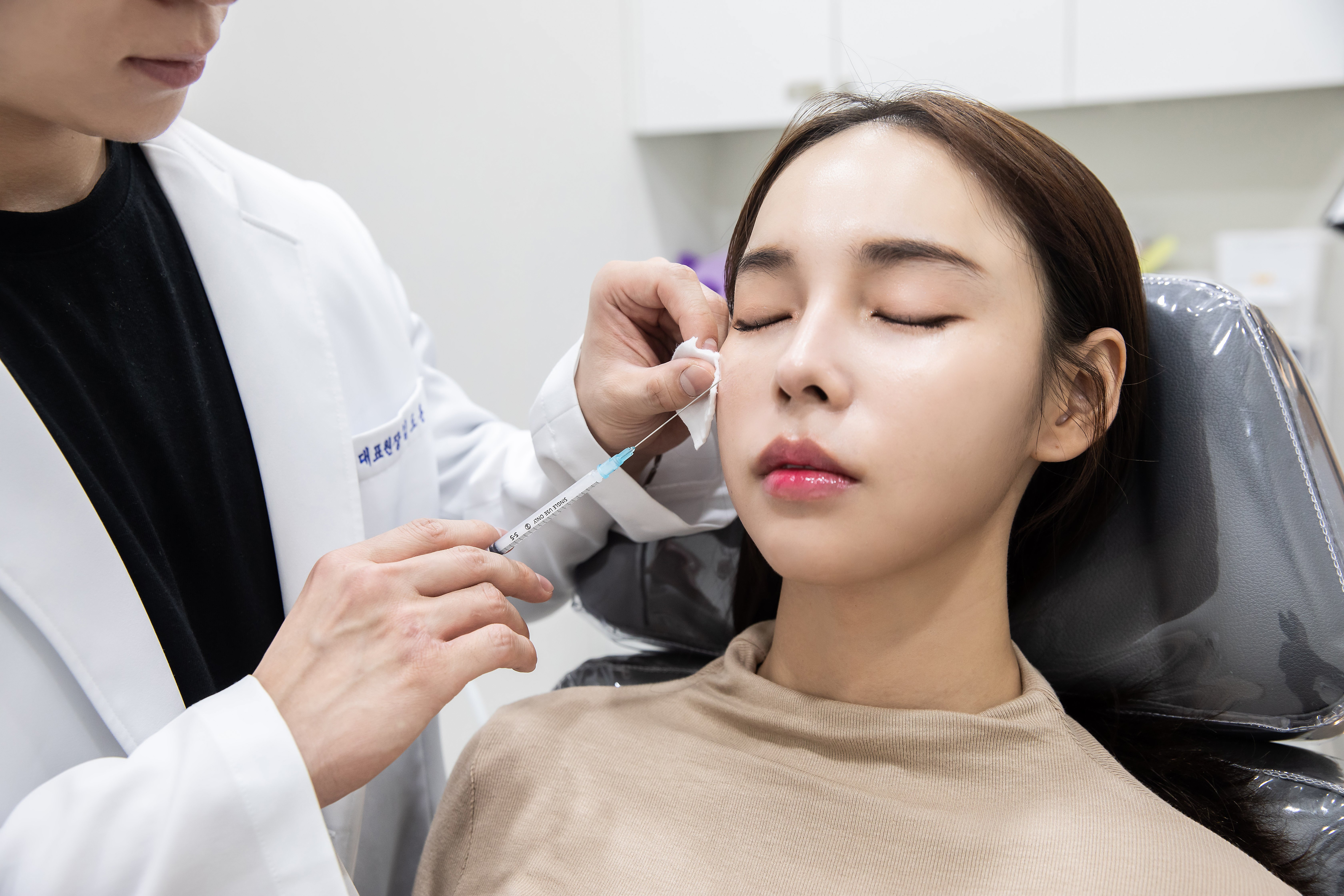
In dermatology, a useful treatment plan begins with the individual rather than a predetermined procedure. A patient’s main concern may be skin texture, loss of firmness, facial volume, or more than one issue. These concerns can call for different approaches, so consultation should clarify what matters most before discussing options. At Ode Clinic, the clinic’s stated approach is to provide personalized care instead of uniform treatment and to listen carefully to patient feedback. This creates a practical basis for discussing suitable procedures, timing, and the next steps together.
Start with concerns, not a device
Patients often arrive with a procedure already in mind, but the name of a device does not explain whether it addresses their primary concern. A conversation about what they hope to improve helps distinguish goals such as lifting, tightening, skin texture, or volume. The doctor can then assess which options are relevant and whether a different approach should be considered. Clarifying the concern first keeps the discussion focused on the patient’s needs rather than on choosing a device in isolation.
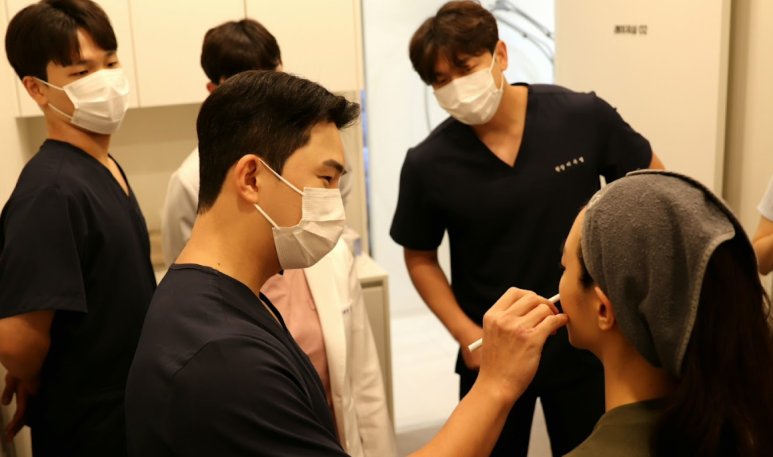
A clear consultation also gives the patient a chance to explain preferences and ask questions before deciding. The clinic’s approach includes one-on-one consultation with the doctor, who discusses treatment areas and options with the patient. This conversation can cover the desired type and timing of change, as well as the procedure’s expected course and potential side effects. Not every concern requires the same intervention, and a plan may focus on one treatment area or consider more than one option. The patient’s priorities should remain part of the discussion from the initial assessment through follow-up. This makes the plan easier to understand and helps the patient make an informed decision.
Customized planning is most useful when it begins with the patient’s concern, not with a device or procedure. A focused consultation helps the doctor and patient decide which options deserve consideration and what questions should be resolved before treatment.
Match the option to the treatment goal
Different procedures are designed to address different concerns. Ode Clinic offers lifting and tightening options including Ultherapy, Thermage, EMFACE, XERF, Density, Onda, and Shurink. The clinic also offers injectable procedures such as fillers, alongside skin booster options. These treatments are not interchangeable, so the consultation should connect the patient’s goal with the type of approach being considered. The plan should explain why an option is relevant to the concern being discussed.
For example, a patient asking about facial firmness may need a discussion about lifting or tightening, while someone focused on texture or hydration may want to ask about skin booster options. A concern about volume may lead to a conversation about filler. These examples describe categories, not individual recommendations: the right choice depends on the patient’s assessment and goals. Ode Clinic states that its medical staff have clinical experience with lifting procedures such as Ultherapy and Thermage, as well as injectable treatments such as fillers. The doctor can discuss which options fit the patient’s situation and whether the patient’s preferred procedure aligns with the concern being addressed. Recommendations should be made after considering the person, not just the treatment name.
Make the plan understandable and specific
A treatment discussion is more useful when it clearly explains the proposed approach and the reason for it. Patients can ask which concern each procedure is intended to address, how options differ, and what changes may take time depending on individual condition. This helps separate a treatment’s purpose from assumptions about outcomes. It is also reasonable to discuss how the plan may be adjusted if the patient’s priorities or assessment indicate a different direction.
Good planning leaves room for patient feedback before and after a procedure. Ode Clinic’s stated commitments include listening to patients, improving care, and maintaining a consistent approach before and after treatment. In practice, patients can use their consultation to raise concerns, clarify expectations, and discuss how follow-up will be handled. A plan should not be treated as a fixed script if the discussion reveals that another option is more appropriate. Shared understanding is an important part of personalized care: patients should know what is being considered and why before making a decision.
When reviewing a recommendation, focus on the connection between the concern, the proposed procedure, and the expected course of care. Ask what the option is intended to address and whether another category of treatment is also relevant. Changes may take time depending on individual condition, so the doctor can explain what to expect and when to discuss progress. A patient who understands the reasoning behind a plan is better positioned to weigh the options and make a decision that reflects personal priorities.
Customized Treatment Planning for Different Skin Goals
Customized treatment planning means considering the goal before selecting a procedure. Lifting, tightening, volume, texture, and hydration are distinct aims, even when a patient describes them in similar terms such as wanting fresher-looking skin. Ode Clinic offers options across these categories, including device-based treatments, fillers, and skin boosters. A consultation helps narrow the discussion to the concern that matters most and identify which procedures may be appropriate to consider. The plan should also account for the patient’s preferences, timing, and questions about the treatment process.
Separate lifting, tightening, and volume concerns
Lifting and tightening are often discussed together, but they describe different treatment aims. Some options are intended to address sagging, while others focus on firmness or skin texture. Volume concerns may prompt a separate discussion about injectable procedures such as fillers. Since these goals are not identical, patients should describe the area and change they are concerned about rather than assume a particular device addresses every issue. The doctor can use that information to guide a more relevant consultation.
Ode Clinic lists Ultherapy, Thermage, EMFACE, XERF, Density, Onda, and Shurink among its device options, and offers filler procedures as well. Their presence on the clinic’s treatment list does not mean every option is suitable for every patient. Instead, the conversation should establish what the patient wants to address and whether a lifting, tightening, or volume-focused approach is relevant. A patient may also have more than one concern, but the plan should explain the role of each proposed option rather than group different procedures under a general promise. Choosing by treatment goal helps make the consultation more precise. The doctor can discuss the available options in relation to the patient’s condition and priorities.
Skin goals can overlap, but lifting, tightening, and volume are not the same objective. A useful consultation identifies the main concern and explains how each proposed option relates to that goal.
Consider skin texture and hydration goals
Texture, pores, fine lines, and hydration may lead to a different discussion from facial sagging or volume loss. Ode Clinic offers skin booster treatments, including Re2O, CellREDM, Juvelook, Rejuran, Skinvive, and Potenza. The treatment options have different methods and purposes, so it is important to describe the concern clearly and ask how a suggested procedure is intended to address it. The doctor can discuss the choices in the context of the patient’s skin and preferences.
Patients may use broad descriptions such as dullness, roughness, or dryness when explaining what they notice. It can help to identify which change is most important and whether it has been present consistently or is a more recent concern. A consultation can then focus on options designed for skin quality rather than assuming that a lifting procedure is the answer. Skin boosters and device-based approaches should be discussed according to their intended use, with the patient asking about the treatment process and expected timing. Individual responses differ, and changes may take time depending on individual condition. A clear goal makes it easier to have a focused conversation about the available options.
Discuss combined concerns and treatment sequence
Some patients have more than one concern, such as skin texture alongside reduced firmness. Rather than treating every concern at once by default, the consultation can identify priorities and discuss whether the options should be considered together or in sequence. Timing, the patient’s preferences, and the expected course of each procedure can inform that discussion. The patient should understand the purpose of each step before agreeing to a plan.
The available treatment categories at Ode Clinic include lifting and tightening, volume procedures, and skin boosters. This range allows the consultation to address different goals without presuming that one treatment suits everyone. It does not mean that every category needs to be included in an individual plan. The doctor and patient can prioritize the concern that matters most, then discuss whether other goals should be addressed separately. Patients can also ask how the plan may be reviewed after treatment and what changes should be discussed at follow-up. That keeps decisions grounded in the patient’s situation rather than a standard combination.
Before deciding on multiple procedures, ask how each one contributes to the overall goal and whether the proposed timing makes sense for the patient. The consultation should cover the treatment’s purpose, potential side effects, and the time frame in which changes may appear. If the main priority changes during the discussion, say so; personalized planning depends on patient input. The plan can then reflect the concern that is most important rather than adding procedures without a clear reason.
Customized Treatment Planning: Consultation and Follow-Up
A thoughtful plan includes more than choosing a procedure. It also considers how the consultation is conducted, what the patient needs to know beforehand, and how progress will be discussed afterward. Ode Clinic describes a care approach centered on patient feedback and consistent attention before and after procedures. Patients can use the consultation to ask about the proposed option, possible side effects, timing, and follow-up. These practical details help turn a general treatment idea into a decision that the patient can understand and evaluate.
Know what to discuss during consultation
Before the appointment, it may help to note the main concern and the areas where it is most noticeable. Patients can also describe their priorities, such as whether they are focused on lifting, firmness, volume, texture, or hydration. During consultation, ask which treatment options relate to that concern and what the procedure is intended to do. This preparation helps the doctor understand what matters to the patient and keeps the conversation relevant.
Patients should raise questions about timing, expected changes, and potential side effects before making a decision. These topics are part of an informed discussion, not a sign that the patient is committing to a procedure. The clinic’s stated approach weighs patient needs, timing of results, duration of effects, cost, and potential side effects when discussing recommendations. A patient can also explain preferences or concerns about treatment so the plan reflects the person’s priorities. It is appropriate to ask for a clear explanation of the purpose of each proposed option. If something remains unclear, continue the conversation before proceeding.
A consultation should leave the patient with a clear understanding of the concern being addressed, the options under discussion, and the next steps. Asking about timing, potential side effects, and follow-up supports an informed decision.
Understand the stages of care
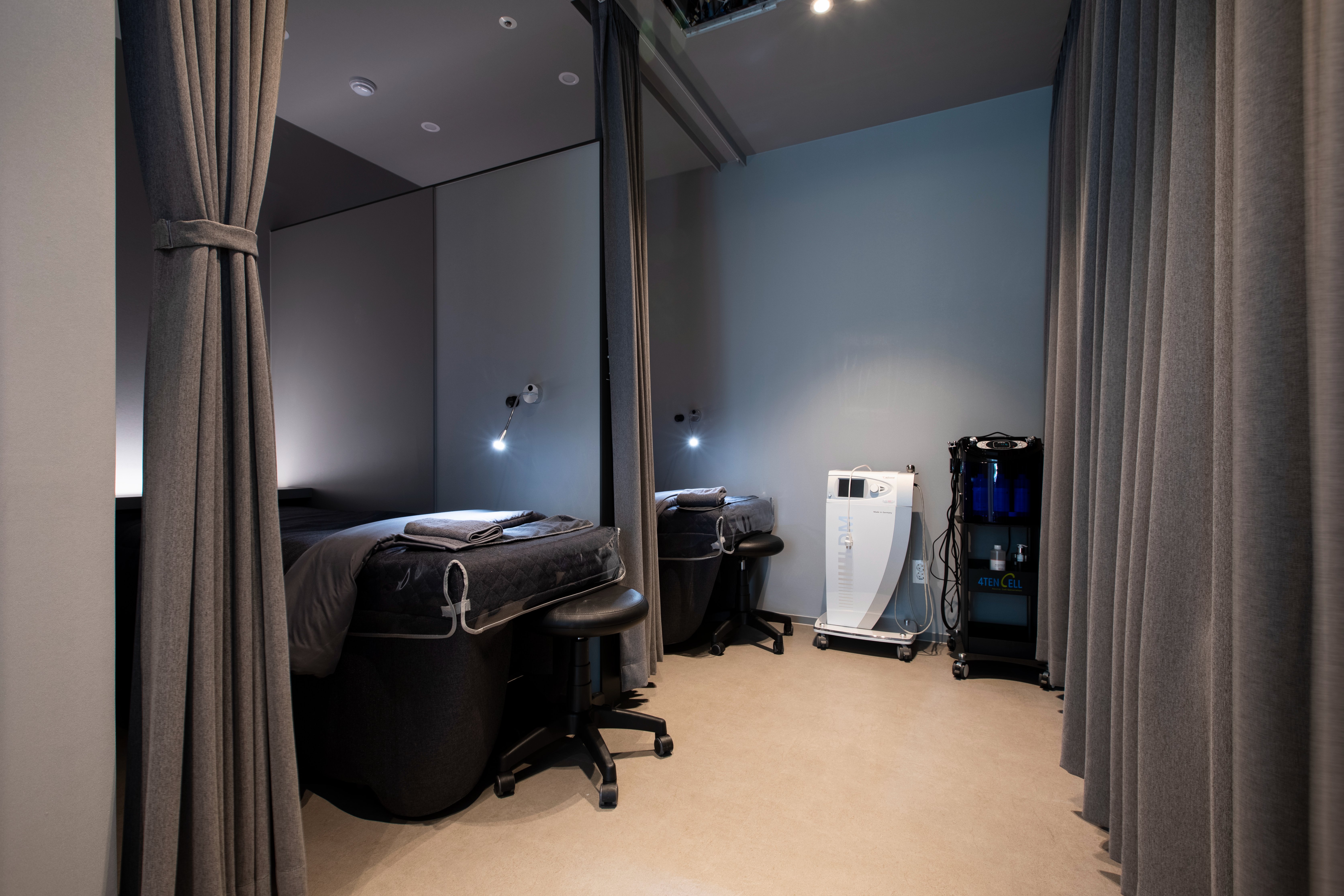
ODE Clinic describes a care process that moves from arrival to one-on-one consultation and design, re-consultation, a procedure in a private room, customized care, and departure. This structure gives patients opportunities to discuss the plan before treatment and to receive care afterward. Patients can ask the doctor to clarify any part of the proposed approach and raise new questions if their understanding or preferences change during the visit.
Before treatment, the consultation and design stage is where the patient’s concern and options are discussed. A re-consultation provides another point to review the plan before proceeding. After a procedure, customized care and follow-up help address questions about the patient’s experience and changes over time. Ode Clinic states that it aims to keep its approach consistent before and after treatment and to listen to patients’ feedback. Understanding the stages of care can help patients know when to raise questions and what to discuss with the medical staff. Patients should follow the guidance given for their particular procedure.
Plan for follow-up and practical details
Follow-up is part of a considered treatment plan because patients may have questions after a procedure or want to discuss how changes are developing. Ask how to contact the clinic and what information would be useful to share if a concern arises. If more than one treatment is under consideration, clarify how progress will be reviewed before deciding whether another step is appropriate.
ODE Clinic is located at 8F, Gyeongwon Building, 340 Gangnam-daero, Gangnam-gu, Seoul, Yeoksam-dong, Korea. The clinic’s listed hours are Monday to Friday, 11:30 AM to 8:30 PM, and Saturday to Sunday, 10:00 AM to 4:00 PM, with no lunch break. Patients can call +82 2-569-0222 to contact the clinic. Confirming the appointment and preparing questions in advance can make the consultation more focused.
A personalized plan should remain understandable at each stage: the concern being addressed, the option being discussed, and how follow-up will be handled. Patients can revisit their priorities during consultation and ask how the proposed approach relates to those goals. Since individual conditions differ, changes may take time depending on the person. The doctor can explain what to expect for the treatment under discussion and how to raise questions after the visit. This keeps the conversation practical without assuming that every patient will follow the same course.



Frequently Asked Questions
Q.What kind of clinic is Ode Clinic?
A.Ode Clinic is a dermatology clinic in Gangnam, Seoul. Its treatment options include lifting and tightening procedures, fillers, and skin boosters, with care planned around individual concerns.
Q.Who may benefit from a consultation at Ode Clinic?
A.People considering care for concerns such as facial sagging, reduced firmness, volume, skin texture, or hydration can discuss their goals with the doctor. The appropriate options depend on the individual assessment.
Q.What treatments can patients discuss at Ode Clinic?
A.Options include Ultherapy, Thermage, EMFACE, XERF, Density, Onda, Shurink, fillers, and skin boosters. The consultation helps determine which options are relevant to the patient’s concerns.
Q.What should I prepare before visiting Ode Clinic?
A.Note your main concerns, the areas you want to discuss, and any questions about timing, treatment goals, or potential side effects. Ode Clinic is open Monday to Friday from 11:30 AM to 8:30 PM and Saturday to Sunday from 10:00 AM to 4:00 PM, with no lunch break.
Q.Where is Ode Clinic, and how can I contact it?
A.Ode Clinic is at 8F, Gyeongwon Building, 340 Gangnam-daero, Gangnam-gu, Seoul, Yeoksam-dong, Korea. Call +82 2-569-0222 to contact the clinic.
Clinic Information
| Clinic | Ode Clinic |
|---|---|
| Specialty | Dermatology |
| Address | Seoul, Gangnam District, Gangnam-daero, 340 8F |
| Phone | +82 2-569-0222 |
| Website | https://odeclinicseoul.com/en |
 Ode Clinic